US investigates cyberattacks on up to 50 tankers, with Iran the main suspect
The United States is investigating whether Iran is behind dozens of cyberattacks on tankers carrying oil, liquefied petroleum gas (LPG), chemicals and other explosive cargo, the Wall Street Journal reported on 24 November. US officials quoted in the story said as many as 50 ships have been hit in recent months, and some also received threats that they would be blown up. Reuters carried the report and said it could not verify it independently.
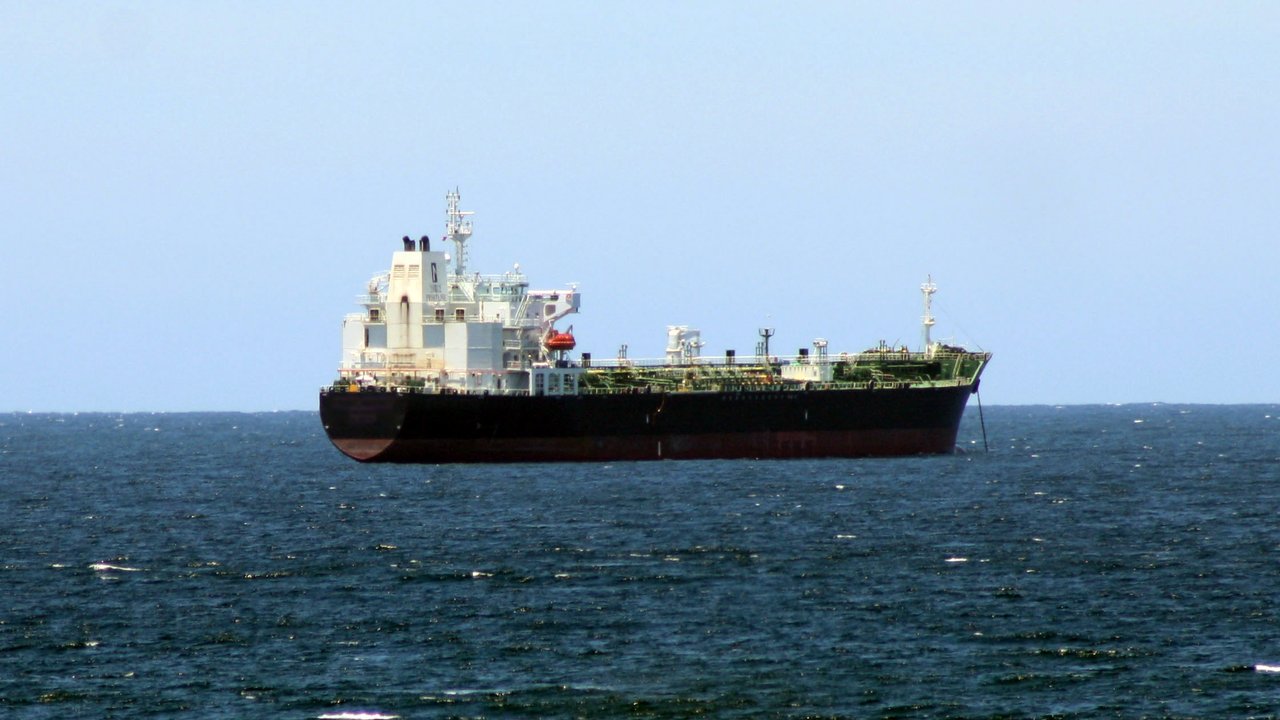
Iran is the main suspect, but Washington is also looking at Russia. According to The Maritime Executive, which summarised the WSJ story, Coast Guard Cyber Command and the FBI warned that the attackers were exploiting weaknesses in Fortinet FortiGate devices, routers and firewalls that are very common in shipping.
One named ship is the VL Prosperity, a 319,547-ton crude carrier managed by HMM. The company confirmed to the WSJ that the ship went through a cyber screening before being cleared to return to normal operations. According to the paper, it also received a ransom note, published in Russian on a Telegram channel, and a bomb threat. A European shipowner said officers on one of its vessels got threatening messages on their phones. Some of the messages were in Farsi, which on its own does not prove they came from Iran.
Trump officials play it down: a "minor nuisance" and no proof of Iran
An administration official told the WSJ the incidents were "little more than a minor nuisance" and that no evidence of Iranian involvement had been found. The picture on the water is more complicated. According to the report, at least four more ships were inspected in recent weeks as they approached the US coast, and the targeted vessels also operated near Europe and Asia. One tanker approaching Italy sailed in an unusual pattern.
The WSJ suggests Iran may be trying to intimidate shipping companies, disrupt sea routes, or cause a major incident at a port far from the Middle East: an explosion, a collision or an oil spill. No such incident has been reported so far. According to Iran International, the concern in Washington is that Tehran is widening the war into cyberspace, far from the Gulf.
From the August tankers to new rules for ports
This did not start this week. In August, at least two Texas-bound tankers were first reported attacked, and the Coast Guard boarded them for inspection before letting them approach port. Two days before the WSJ story, the Financial Times reported that the Port of Corpus Christi, the biggest US oil export gateway, faces hundreds of intrusion attempts a day (according to The Maritime Executive).
New rules are also coming. Shipowners and port facilities in the US have until July 2027 to appoint a cybersecurity officer, carry out a cyber risk assessment and submit a cybersecurity plan to the Coast Guard.
Still unknown: which onboard systems were actually breached, whether navigation or propulsion systems were hit or only office PCs and crew phones, and who sent the ransom notes. The Coast Guard and the FBI have not commented officially on the figure of 50 ships.
FortiGate, leaked passwords and the Coast Guard alert
The products: Fortinet FortiGate firewalls and VPN gateways on ships and at port facilities. The alert: Maritime Cyber Alert MCA 02-26 from USCG Cyber Command and the FBI, dated 4 September 2026. According to Cydome's summary, it describes nation-state actors exploiting FortiGate devices at facilities and on vessels. The attack vector: brute force and stolen credentials for initial access, including the credentials of about 74,000 Fortinet devices that leaked (according to CISA, cited in the alert). The attackers then exploit CVE-2026-24858 and CVE-2025-25252 for lateral movement, privilege escalation and persistence. No IOCs were published in the sources we read. The Coast Guard and the FBI recommend patching immediately, reviewing firewall and VPN logs, resetting passwords and enforcing MFA, replacing end-of-life devices, and properly separating the IT network from the OT network.
What to check now
- A full list of the vendors that connect to the ship remotely, and which device each of them comes in through.
- Which of those connections are open all the time, not only during scheduled work.
- How many FortiGate devices the fleet runs, which version, and whether the passwords were changed since the leak.
- Whether the crew has drilled sailing and manual operation without the network.
ICS Cyber News by email
Flashes and digests for the topics you pick. No ads.
Edited by Adam Zinger with AI assistance