How attackers got into Osaki Electric: a VPN account without MFA and repeated password attempts at 1:30 a.m.
Osaki Electric, the Japanese smart meter maker whose plants have been idle since a ransomware attack on 17 November, published a second report on 20 November explaining how the attackers got in. According to the company, they bypassed authentication on the VPN device staff use to reach the internal network from outside. Osaki says it is "highly likely" this was done through repeated password attempts on an account without multi-factor authentication, because some such accounts were still in use.
The unauthorized access is estimated to have started at about 1:30 a.m. on Sunday 15 November, Japan time. Two days later, at around 10:35 a.m. on 17 November, the company found data on its servers encrypted, and from noon it cut all external connections and shut down production-related systems. On 19 November Osaki found technical information, believed to come from its systems, posted on a website it believes is run by the attacker. Asahi reports that the Qilin ransomware group claimed the attack and listed Osaki on its leak site. Osaki itself has not named the attacker.
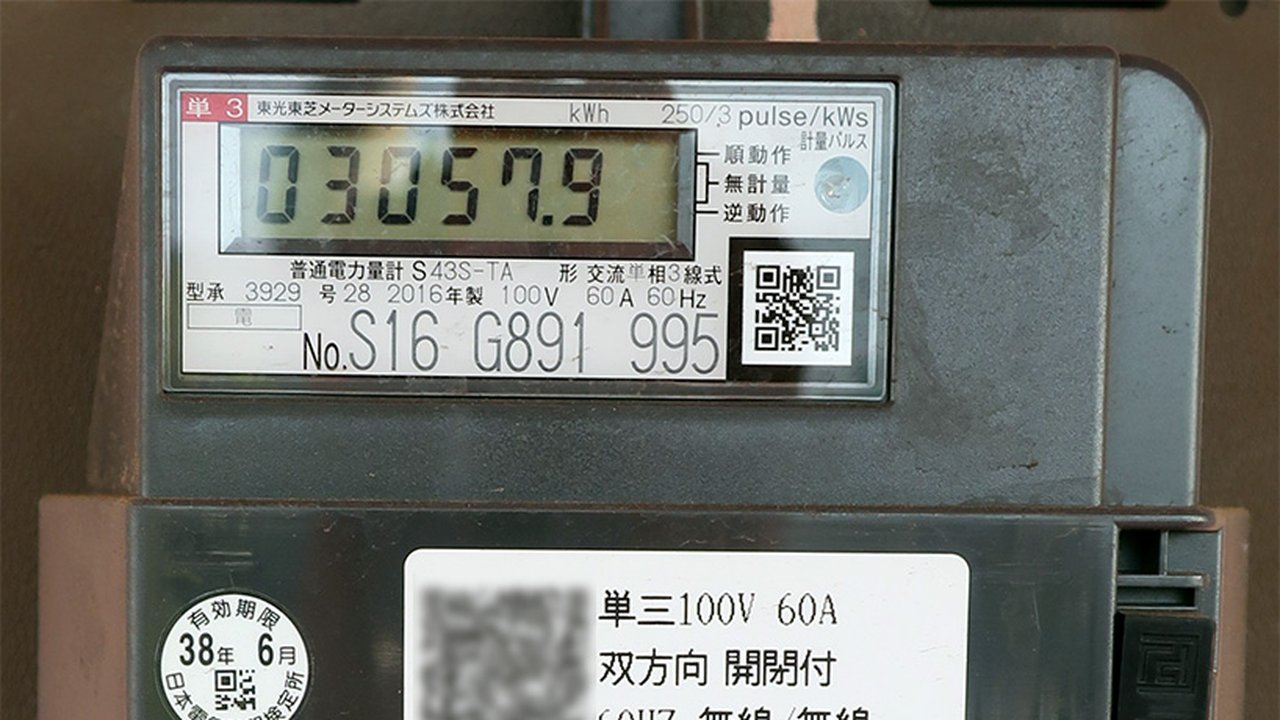
Production and shipments of smart meters and other products at the Saitama R&D and Manufacturing Center and at subsidiaries Iwate Osaki Electric and Osaki Platech remain suspended, with no restart date. As we reported on 18 November, Osaki is a major supplier of smart meters in Japan.
What else the company said
The VPN device was the only point allowing direct access to the internal network from outside, so Osaki considers another intrusion route unlikely, and it has found no sign of unauthorized access before 15 November. After getting in, the attackers encrypted some virtual servers.
The company stresses that the attack targeted its internal systems and did not target or affect its products and services, including smart meters. Backups are intact and recovery will happen in stages, starting where safety has been confirmed. How the vulnerable account was created, and whether its password leaked before the attack, is still under investigation. If partner data under confidentiality agreements turns out to be in the leak, Osaki says it will contact those partners individually. Yomiuri and Nikkei also reported the leak and the plant shutdown.
A VPN account with no MFA
Timeline (JST, per Osaki): 15 Nov ~01:30 access via the VPN device begins. 17 Nov ~10:35 encryption confirmed. 17 Nov from noon all external connections cut, including the VPN, and production systems shut down. 18 Nov first report. 19 Nov data found on the attacker's site. 20 Nov second report.
Vector: authentication bypass on a VPN device, most likely repeated password attempts (brute force) against an account without MFA. VPN vendor and model not disclosed; no IOCs published.
Impact: some virtual servers encrypted; precautionary shutdown of production-related systems at three sites; technical information leaked.
What to check: a full list of VPN accounts, including service, vendor and stale accounts; MFA on every one, no exceptions; lockout and alerting on repeated password attempts, especially at night and on weekends; real separation between IT and production systems so shutting one down doesn't force you to stop the other.
What to check now
When did someone last go through every VPN account, one by one? And if you had to pull the plug on the office network tomorrow, would the production line keep running?
ICS Cyber News by email
Flashes and digests for the topics you pick. No ads.
Edited by Adam Zinger with AI assistance