Breaking
Algonquin Dam cyberattack attempt: Illinois says staff blocked unauthorized access and kept full control of the Fox River damHow the Equinor and Skagerak Energi attacks happened: an Azure API Management flaw, Norway's NSM saysJava4Shell reaches the plant floor: Siemens Industrial Edge and Ignition SCADA exposed to CVE-2026-114938, with no Siemens fix yetRansomware halts smart meter production at Osaki Electric, the top meter supplier to Japan's power utilitiesEquinor hit by an "ongoing" cyber-attack as Norway's energy giant moves to neutralise the intrudersA perfect-10 SCADA flaw found by AI: the Circutor PowerStudio exploit sat on GitHub for three months before it got a CVEThe chlorine alarm went out by email just as Microsoft went down: 15 guests hurt at a German hotel pool1,266 ransomware attacks on industry in one quarter. Not one reached a control system, and plants stopped anywaySix new zero-days in the fridge controllers hit in Europe's supermarket attacks. Germany's BSI: patching is not enoughA supermarket fridge supervisor ran the login name as a shell command. Attackers hit one flaw 100 minutes after it went publicFBI: an AI hacking tool takes attackers from first scan to privileged access in under three hoursMalware planted on a German military drone maker's update server. The Bundeswehr reportedly grounded the dronesOff-the-shelf AI found 66 new bugs in the network code inside OT devices. Nine months of work took 90 hoursAttackers gave an AI framework one line of instructions. It broke into 10 organizations, Unit 42 saysAlgonquin Dam cyberattack attempt: Illinois says staff blocked unauthorized access and kept full control of the Fox River damHow the Equinor and Skagerak Energi attacks happened: an Azure API Management flaw, Norway's NSM saysJava4Shell reaches the plant floor: Siemens Industrial Edge and Ignition SCADA exposed to CVE-2026-114938, with no Siemens fix yetRansomware halts smart meter production at Osaki Electric, the top meter supplier to Japan's power utilitiesEquinor hit by an "ongoing" cyber-attack as Norway's energy giant moves to neutralise the intrudersA perfect-10 SCADA flaw found by AI: the Circutor PowerStudio exploit sat on GitHub for three months before it got a CVEThe chlorine alarm went out by email just as Microsoft went down: 15 guests hurt at a German hotel pool1,266 ransomware attacks on industry in one quarter. Not one reached a control system, and plants stopped anywaySix new zero-days in the fridge controllers hit in Europe's supermarket attacks. Germany's BSI: patching is not enoughA supermarket fridge supervisor ran the login name as a shell command. Attackers hit one flaw 100 minutes after it went publicFBI: an AI hacking tool takes attackers from first scan to privileged access in under three hoursMalware planted on a German military drone maker's update server. The Bundeswehr reportedly grounded the dronesOff-the-shelf AI found 66 new bugs in the network code inside OT devices. Nine months of work took 90 hoursAttackers gave an AI framework one line of instructions. It broke into 10 organizations, Unit 42 says
Consulting site
ICS Cyber News
Wednesday, 18 November 2026, Israel time

Ransomware halts smart meter production at Osaki Electric, the top meter supplier to Japan's power utilities

Osaki Electric, Japan's biggest maker of smart electricity meters, said on Wednesday it has stopped producing and shipping smart meters and other products after a ransomware attack. Production systems are down at its Saitama works and at two manufacturing subsidiaries, Iwate Osaki Electric and Osaki Platech. When will the lines restart? The company says it doesn't know yet.
18 Nov 2026, Israel time
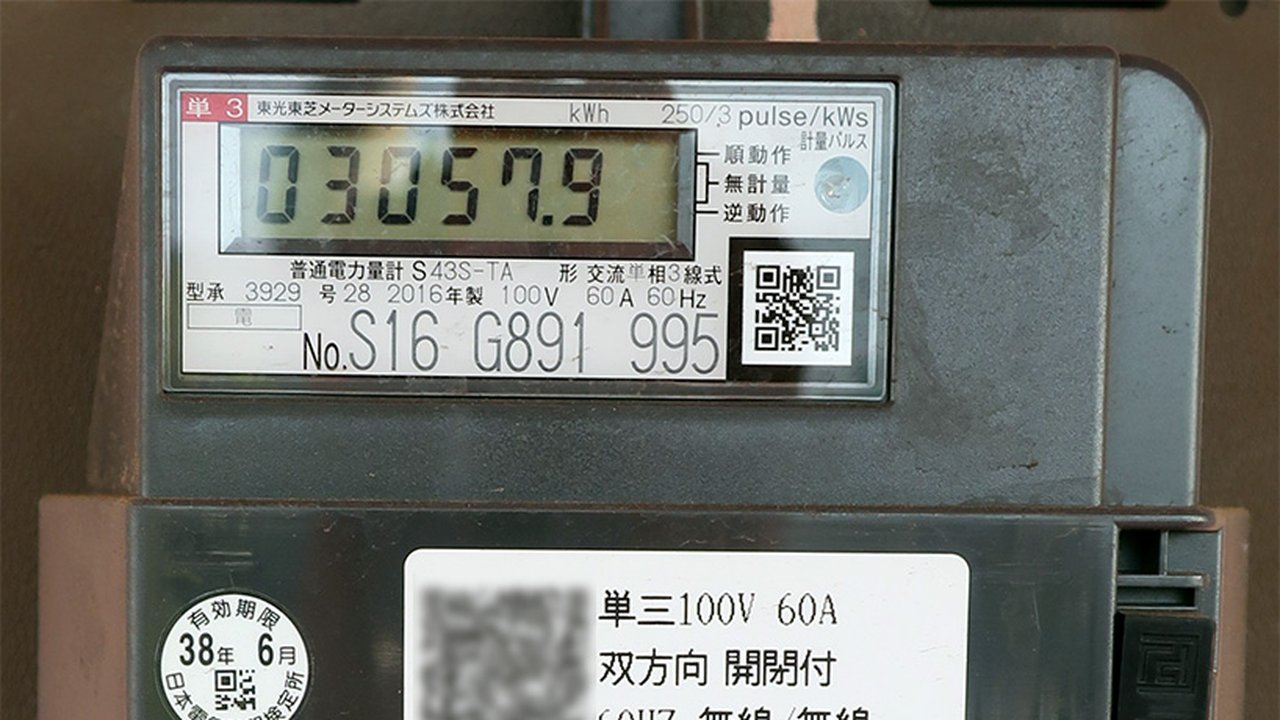
Close-up of a Japanese smart electricity meter.
A Japanese smart electricity meter. Darklanlan, CC BY 4.0. Cropped.

According to Osaki's statement, staff found that data on company servers had been encrypted at around 10:35 am Japan time on 17 November (03:35 Israel time). From noon the company cut its connections to outside networks and shut down production systems to stop the damage from spreading.

Osaki supplies every utility in Japan

Osaki's own investor materials say it sells smart meters to all ten of Japan's regional power companies and holds the top share of the domestic market. It claims more than 70% of the market in eastern Australia and New Zealand, and about 8% worldwide outside China, fourth place globally. "Stable supply of next-generation smart meters" sits at the top of its list of material issues.

So the ransomware has hit a single point in the supply chain of an entire national grid. Nothing published so far suggests meters already installed in homes and businesses are affected. The problem is the supply of new ones.

Osaki will not negotiate

Osaki says it is investigating with outside specialists, including whether data was taken. An emergency task force led by the president and COO is running the response, and police and the authorities have been informed. Sankei and Kyodo report that a party believed to be the attacker has made contact, and that Osaki says it has no intention of negotiating. Customers are being briefed one by one, and the financial impact can't be estimated yet.

Still unknown: the ransomware group, how the attackers got in, and whether they reached anything tied to the software that runs on the meters. NHK reports that production management systems became unusable.

IT goes down, the factory stops

This is a pattern the industry keeps repeating. Encryption is found on servers, and a whole plant stops. Sometimes that's because planning and production systems depend on the encrypted servers, and sometimes the company chooses to switch everything off until it understands what happened. Osaki hasn't said which applies here.

Worth checking in your own plant

If your IT network went down tomorrow morning, how long could your production lines keep running? And if you buy critical equipment from one supplier, what's your plan if they stop shipping for a few weeks?

ICS Cyber News by email

Flashes and digests for the topics you pick. No ads.

Language
Frequency
Topics

Edited by Adam Zinger with AI assistance