Hackers pushed France's blood-store fridges to 'very high' temperatures. Alarms caught it
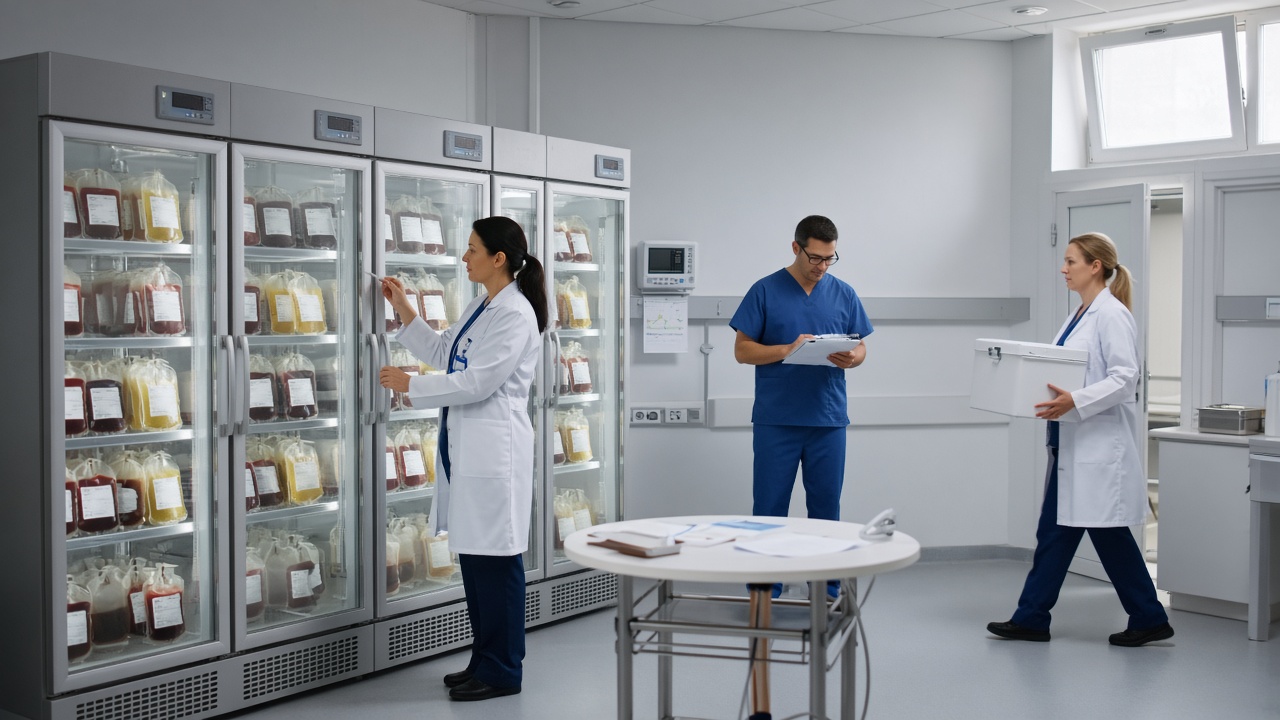
France's national blood service, EFS, said attackers reached refrigeration control systems at three of its cold stores on 2 November and pushed temperature and defrost thresholds to very high levels. Alarms caught it, and staff moved or protected the products.
“very high levels”EFS, describing the temperature and defrost thresholds, as reported by The Guardian
What EFS said
France's national blood service (EFS) said attackers reached the refrigeration control systems at three of its cold stores on 2 November and pushed temperature and defrost thresholds to "very high levels", The Guardian reported. The incident was disclosed on 4 November.
Alarms caught it, and staff moved or protected the products. EFS supplies more than 1,900 hospitals, according to the same coverage.
How it connects to the supermarket wave
The same wave has hit supermarkets across Europe. Israel's National Cyber Directorate had already warned local food chains to check their own controllers, Israel Hayom reported.
Coverage pointed to internet-reachable refrigeration controllers, including models listed by CERT-FR such as Danfoss AK-SM/AK-SC and Copeland/Dixell XWEB.
What the public coverage still does not name
EFS said the attackers reached refrigeration control systems at three cold stores on 2 November and pushed temperature and defrost thresholds very high. An independent temperature alarm, not the same controller, is what the reporting says saved the products. Coverage has pointed at internet-reachable controllers already named by CERT-FR, including Danfoss AK-SM/AK-SC and Copeland/Dixell XWEB.
The Guardian account and the drafts around it do not publish a CVE, a firmware version, or a packet-level reconstruction of the command that changed those thresholds.
If the alarm that saved the stock sits on a separate system, who is still allowed to change a defrost threshold on the controller itself from outside the building?
ICS Cyber News by email
Flashes and digests for the topics you pick. No ads.
Edited by Adam Zinger with AI assistance