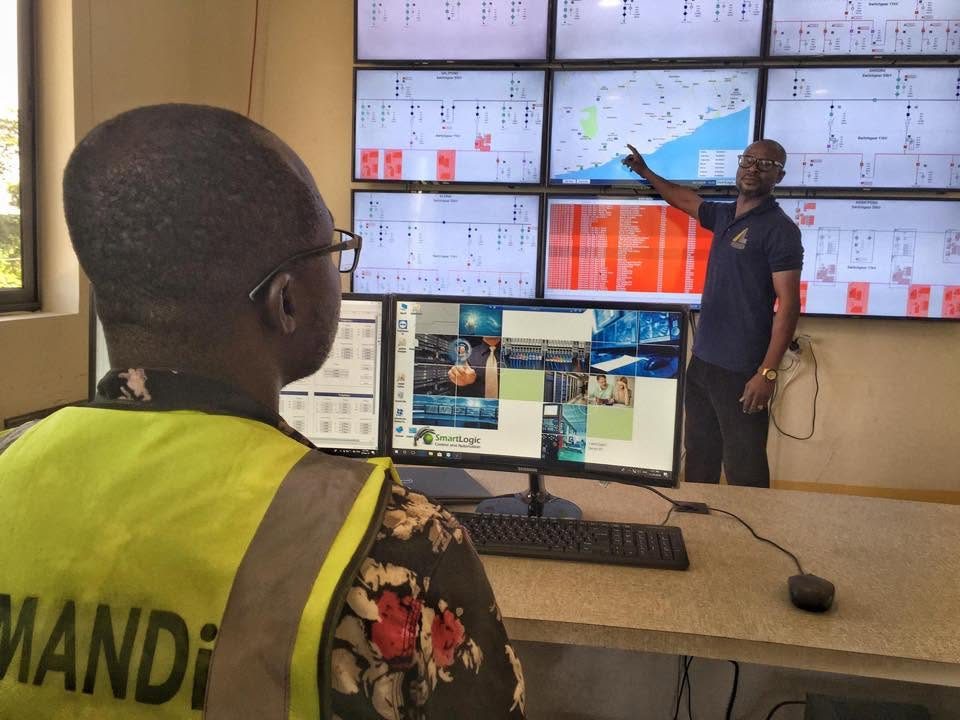
The ICS security course
Written over a year and a half, sold to governments, taught on real controllers.
Three versions
- Three weeks, Singapore. The full version, bought by the Ministry of Home Affairs and taught since 2015 in the national cyber lab. All three modules, the hands-on labs and the training kits.
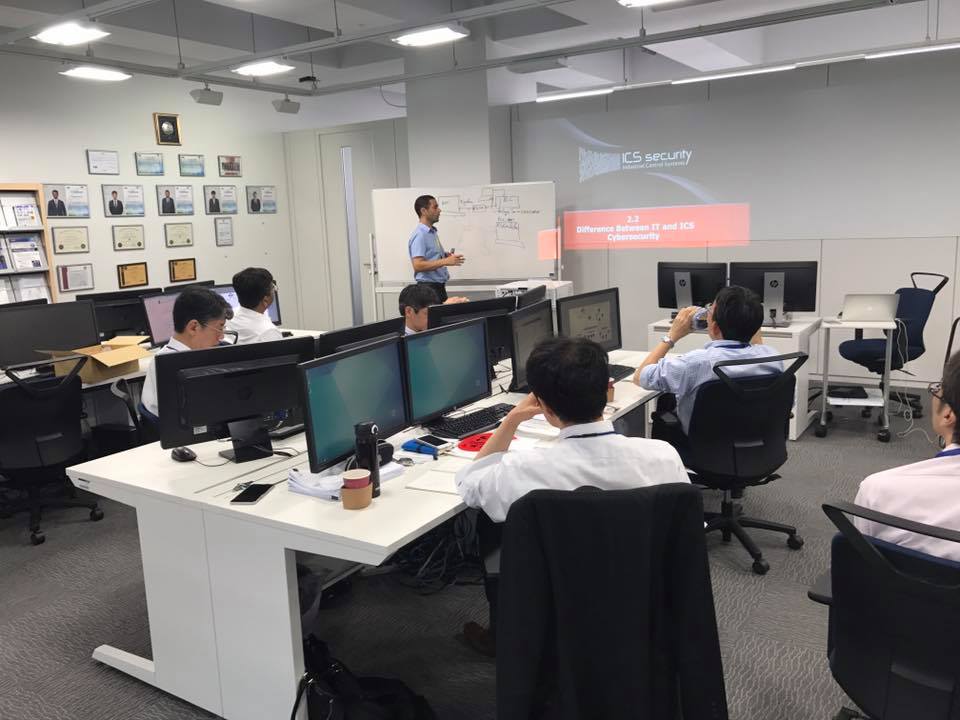
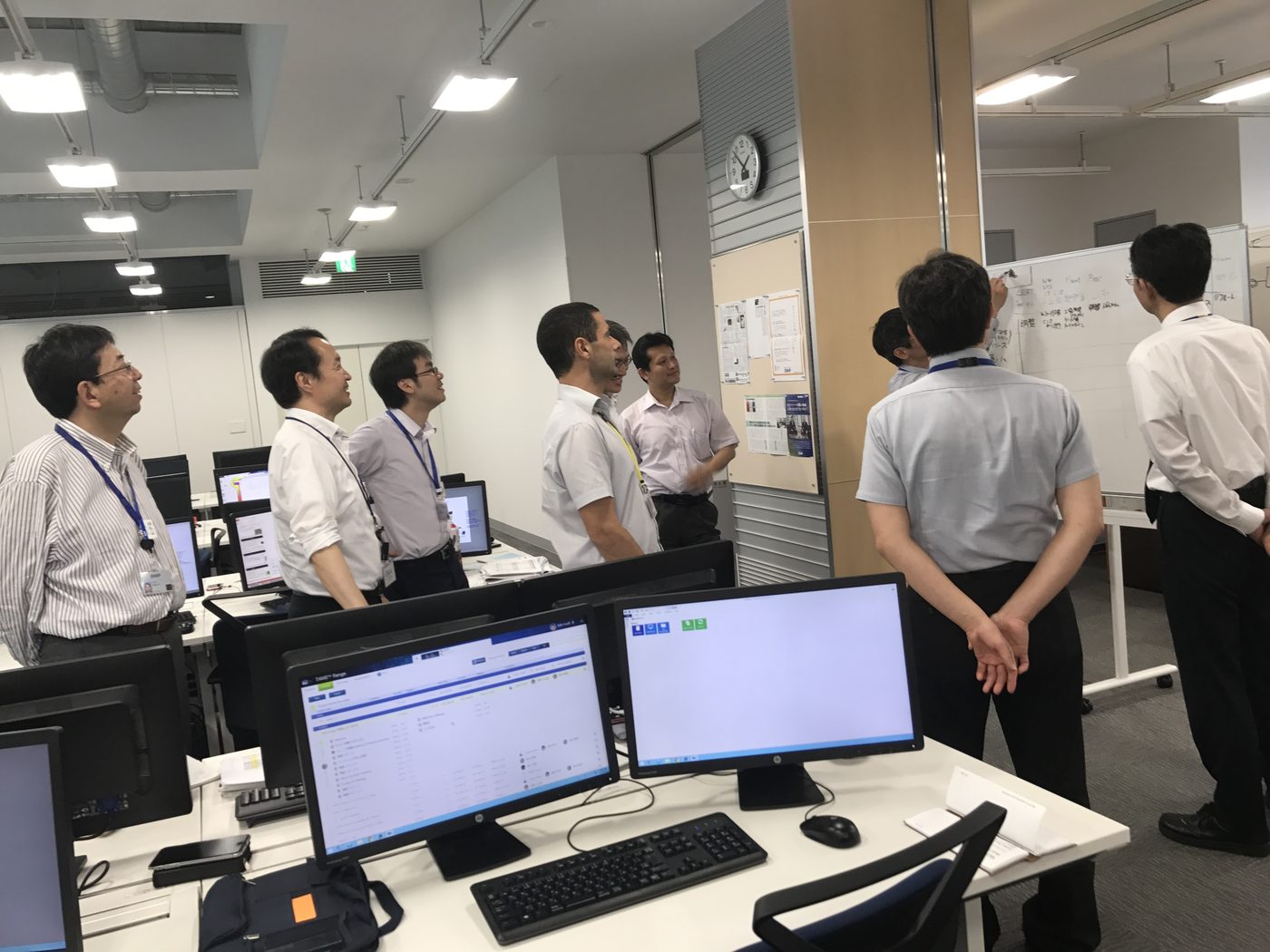
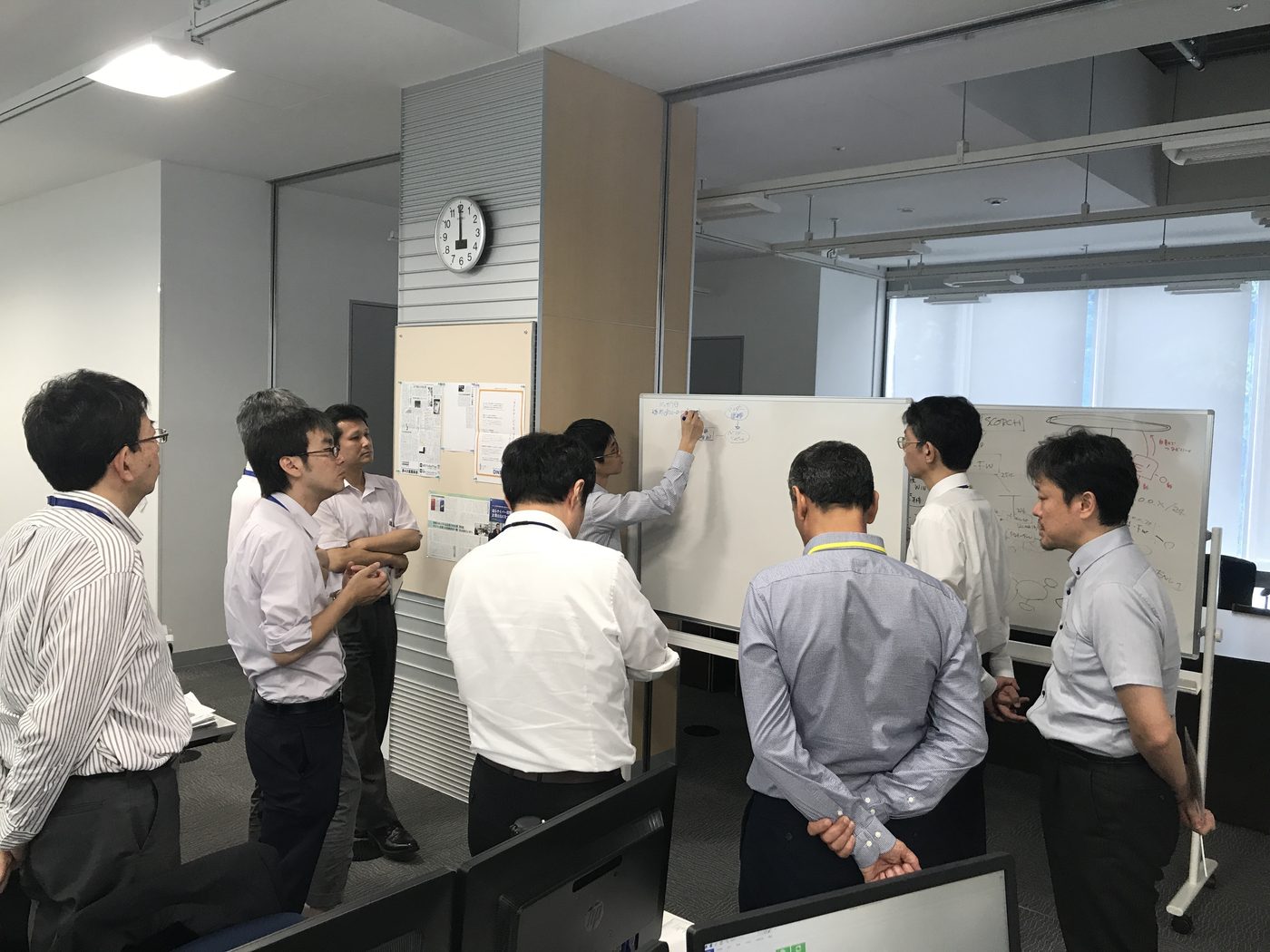
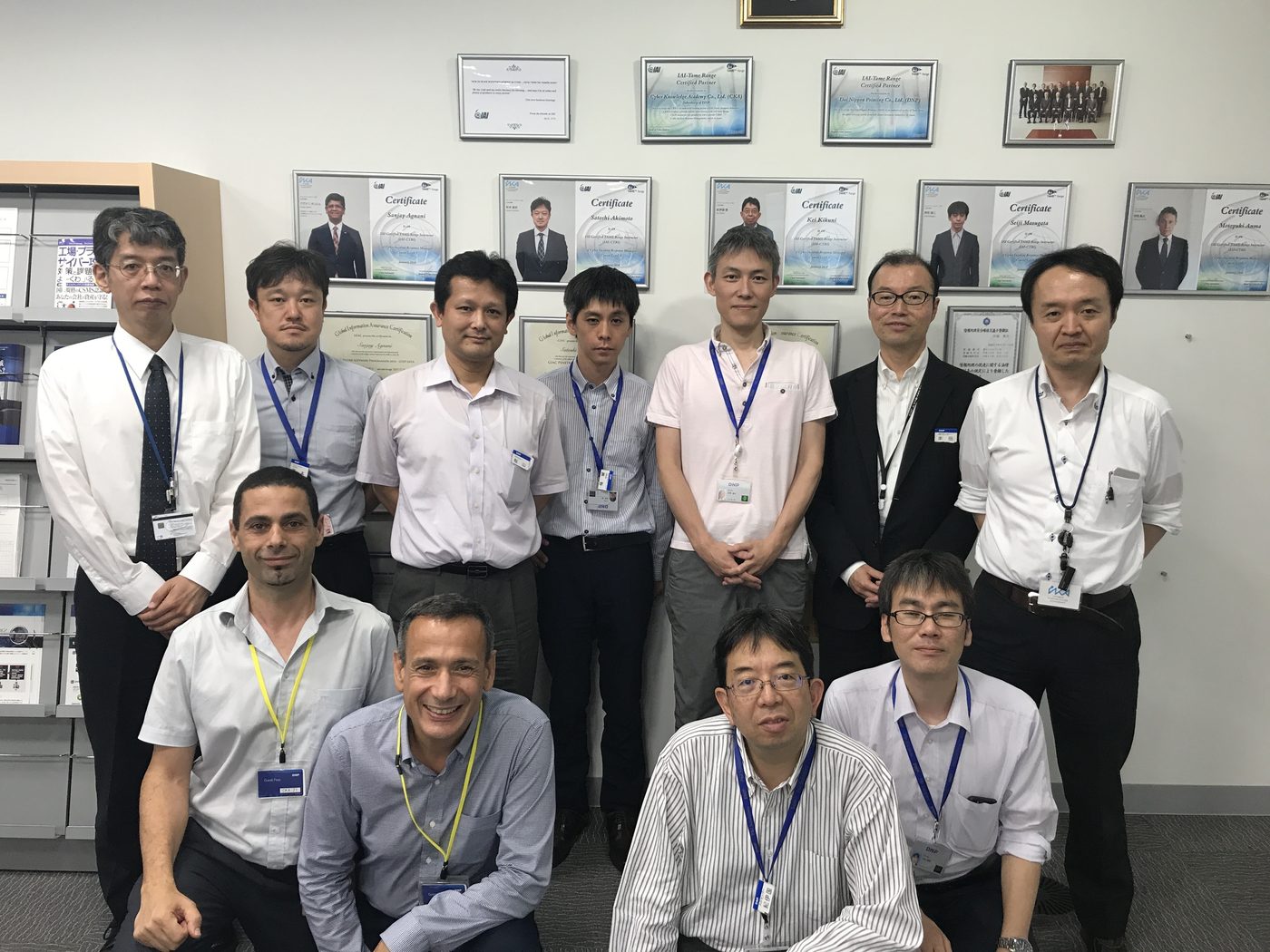
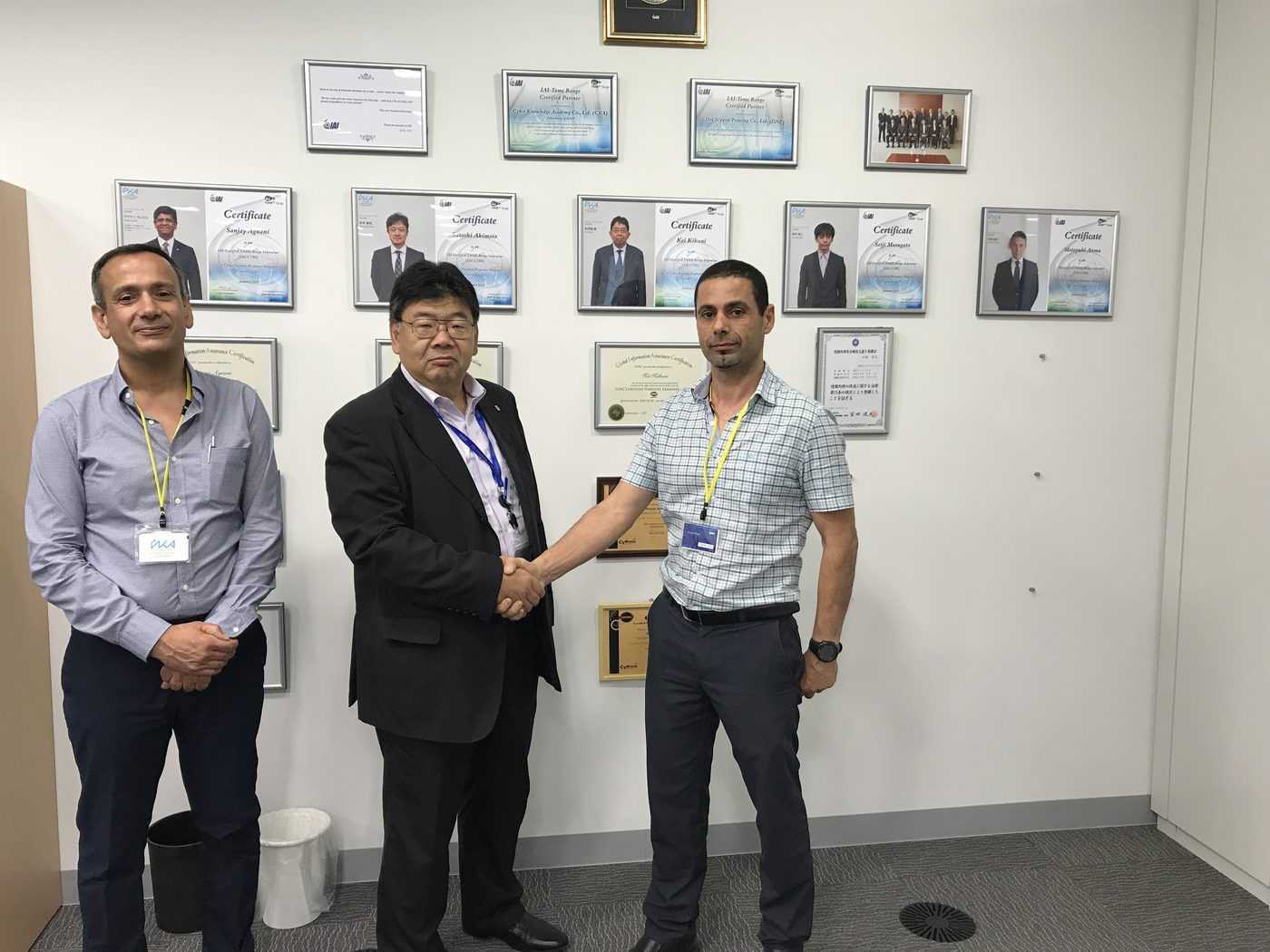
- Two weeks, Japan. A version developed for a Japanese government body and taught to DNP, which then trained 84 cyber police officers from every police prefecture in Japan. It concentrates on detection, response and practical defense.
- One week, enterprises. A focused version for OT and security teams in companies and corporations: the essentials of ICS, the threat map and the controls that matter, adapted to the client's environment.
Syllabus, by topic
Module 1: Introduction to industrial control systems
- How ICS evolved and why it needs defending; ICS architecture and its components
- Kinds of PLC, HMI and historian; controller operating modes
- The HMI–PLC relationship and controller programming (Allen-Bradley programming lab)
- Historians and databases: role, architecture and trends (HMI-to-historian lab)
- Communications and protocols: Modbus, PCCC, TCP/IP (Modbus capture and analysis lab)
- Policy and standards: NIST, NERC CIP, ISA99
Module 2: Cyber threats to control systems
- The threat landscape; how IT threats differ from ICS threats; sources of vulnerability
- Attack vectors in automation systems and industrial protocols
- SCADA, HMI and historian vulnerabilities and how to defend them
- Awareness, and physical and logical protection of the ICS environment
Module 3: Response, prevention and detection
- A seven-step incident-response plan; simulation exercise
- Secure ICS architecture; defensive tools (firewalls, diodes, IDS)
- Prevention: configuration management, hardening, application whitelisting, patch management
- Risk management, asset management, backup and restore
- Detection: IDS (Suricata lab), SIEM
- Defense and investigation mechanisms; a security checklist
Labs, for example
- Building an HMI–PLC–historian automation project with a security configuration
- Capturing and analysing Modbus; connecting an HMI to a historian
- Hardening systems and configuring defensive tools (firewalls, diodes)
- Standing up an IDS (Suricata) and a SIEM; attacking and defending real controllers
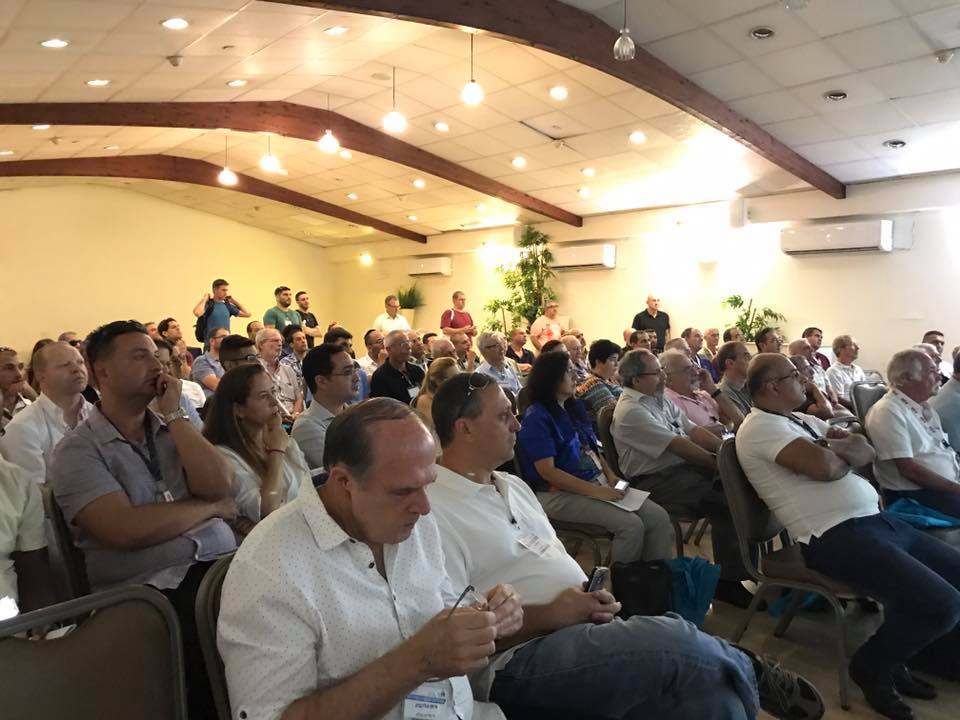
Where it has been taught